


- Finding the Best Mattress for Athletes: My Buyer’s Guide - August 13, 2026
- Best Chilipad Alternatives (2026): 3 Cooling Systems Compared - August 3, 2026
- Best online yoga teacher certification - July 27, 2026
For athletes, weightlifters, and endurance competitors, training does not stop when you leave the gym or finish the final mile. I learned that from my bodybuilder dad.
Training stops when you close your eyes. The gains made here are centered on muscle hypertrophy, neural repair, or glycogen replenishment, all biological processes that happen primarily during slow-wave (deep) sleep and REM cycles.
So, finding the right mattress is important. And the “right” mattress for an athlete isn’t based on aesthetics or lifestyle. It’s based on mitigating joint inflammation, managing post-exertion thermal spikes, and maintaining spinal alignment under shifting ratios of muscle mass.
Managing Overnight Repairs
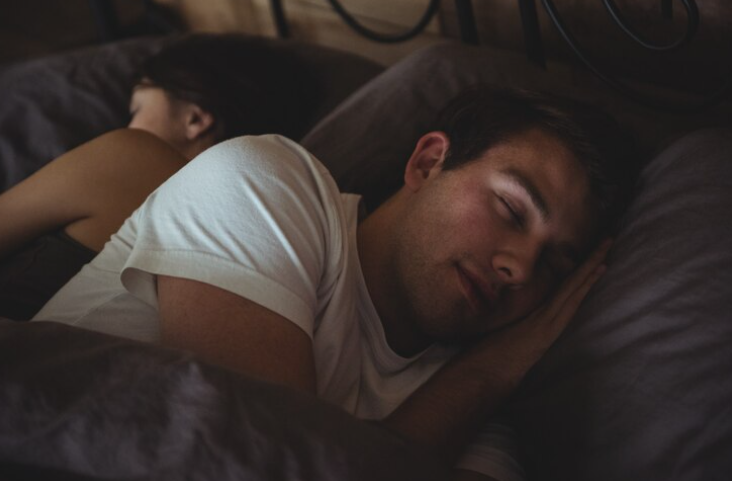
Heavy lifting, eccentric loading, and high-impact endurance work induces micro-tears in muscle fibers and triggers an acute, localized inflammatory response. You know the joke: “You should feel your muscles tear cleanly away from your bones.”
Obviously you don’t want that, but you do want changes brought about by axial loading and compressive forces to your joints—particularly the intervertebral discs in your spine, the hips, and the shoulders. By the end of a heavy training day, your spinal discs have lost fluid and compressed slightly.
When you hit the sack, that’s when your body reverses that compression (with the right mattress anyway).
When you enter deep sleep, your central nervous system signals a surge of Human Growth Hormone (HGH) and redirects blood flow away from your brain and directly into your skeletal muscle tissue to deliver amino acids and oxygen.
The thing is, this cellular repair engine only functions efficiently if your joints are completely unburdened by structural stress so you absolutely need a supportive mattress that doesn’t sag and the right type of responsive contouring.
- Decompression: If a mattress sags or fails to provide counter-pressure, your spine curves unnaturally. This pinches nerve pathways, restricts blood flow, and keeps the stabilizing muscles around your spine firing all night just to keep you balanced. Instead of recovering, your back muscles are essentially performing a low-intensity, eight-hour isometric hold.
- Soft-Tissue Pressure: Heavy training renders your muscle tissue tender and hyper-sensitive to pressure points. If a mattress surface is too rigid or lacks responsive contouring, it creates localized friction zones against your shoulders, hips, and knees. This restricted blood flow wakes you up or forces a positional shift, you know, that kind that violently yanks you out of deep, restorative sleep phases. And nobody wants that.
Managing Post-Session Overheating
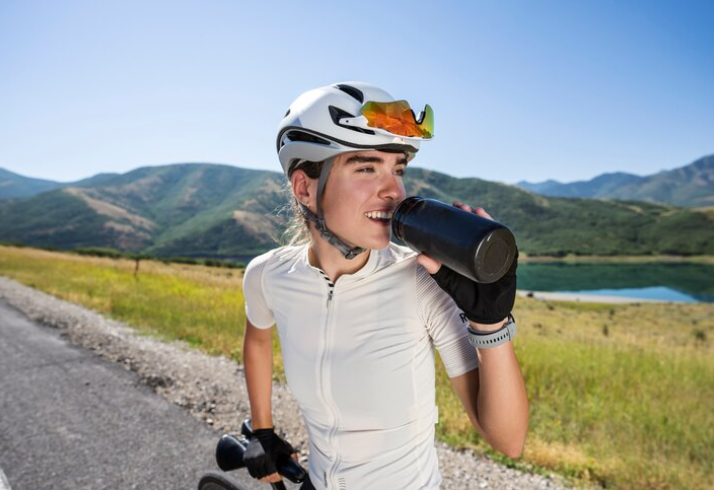
My biggest thing is heat fluctuations. It’s been the bane of my existence. After a heavy cycling day, somehow uphill both ways for 25 miles, I fell asleep like the dead. I was positive it would be the most restorative sleep of my life… except when I woke up in the middle of the night, my entire body on fire as it flushed the lactic acid from my muscles. Kind of hard to sleep well and recover when you are burning up.
Your core body temperature has to drop by roughly 2 to 3 degrees Fahrenheit to initiate sleep and transition successfully into deep slow-wave sleep. Now, that cousin you know who sits on their butt all day enjoys a natural thermal dump as evening approaches. But as an athlete, especially if you train late in the afternoon after work or in the evening, things get more complicated.
High-intensity training elevates your metabolic rate, a phenomenon known as Excess Post-Exercise Oxygen Consumption (EPOC). Hours after your session ends, your body is still burning calories at an elevated rate to restore oxygen stores, clear metabolic waste, and balance hormones. This elevated metabolic activity raises your baseline core temperature, causing you to “run hot” long after you’ve showered.
If your mattress acts as a thermal insulator, trapping that radiated body heat right against your skin, your core temperature cannot drop. The result is sucky sleep, professionally referred to as fragmented sleep, increased tossing and turning, and a drastic reduction in deep sleep efficiency.
Material Science of Thermal Mitigation
So, if you’re looking at this area when evaluating the best mattress as an athlete, you have to look at the thermal properties of all the layers as well as the support structure internally.
- Traditional Memory Foam (The Insulator): Standard, cheap memory foam consists of a closed-cell structure. It relies on your body heat to soften and contour. Once it warms up, it seals around your body like a thermal glove, trapping heat and spiking your microclimate temperature. Avoid standard all-foam beds like the plague or ‘rona if you run hot.
- Advanced Open-Cell and Gel-Infused Foams: Higher-end polyurethane foams are engineered with an open-cell matrix. You want this because it allows air to pass through rather than pooling in place. They typically also have gel conductive particles or copper filament infusions to help draw initial heat away from the skin surface, though their effectiveness diminishes if the layer underneath lacks proper ventilation.
- Phase Change Materials (PCM): Fancy term for the micro-encapsulated bits embedded in the mattress cover or top foam layer. When your skin temperature rises, the material absorbs the heat and changes from a solid to a liquid state, cooling you down. When your temperature drops, it releases that heat back to keep you stable.
- Coil Base Ventilation: The absolute gold standard for athletic temperature regulation is a hybrid mattress. It’s what I’ve had ever since the midnight-thermal-spike-fiasco. The open-air chambers within a pocketed coil base allow hot air to be pushed out of the sides of the bed every time you move, providing continuous passive airflow that all-foam beds simply cannot replicate.
Supporting Shifting Needs for Muscle and Weight
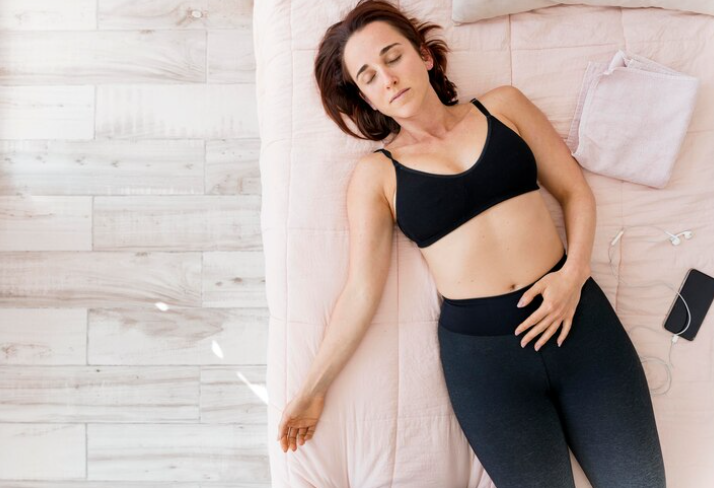
The standard mattress industry advice if you search online or ask AI is based entirely on how you sleep:
- Back
- Side
- Stomach
The thing is, as an athlete, you need more than that. A 160-pound runner and a 220-pound strength athlete require entirely different mechanical resistance from a mattress, even if they both sleep strictly on their sides.
Muscle tissue is significantly denser than fat tissue. An athletic frame distributes weight with high localization; broad shoulders, thick glutes, and heavy quads exert highly concentrated downward force on specific zones of a mattress surface. That’s why you need to find the right type of support for that force.
Surface vs. Core Support
If you are an athlete with dense body mass, you need a high-performance sleep system engineered with distinct zoning layers.
- Surface Relief: The top layer (usually 2 to 4 inches) should be elastic and adaptive enough to cradle prominent joints (like the shoulders of a swimmer or the hips of a cyclist) without letting them bottom out.
- The Transition Layer: This intermediate layer is where most mattresses fail larger athletes. If the transition foam is too thin or soft, a muscular frame will cut right through it, slamming into the hard support core below. A premium recovery bed uses high-density transition polyfoams or adaptive latex to gradually slow down the body’s heaviest points.
- The Structural Support: This should be individually wrapped, high-gauge steel coils. Coils provide push-back support that scales dynamically with the amount of weight applied. The harder you push into a steel coil, the harder it pushes back, ensuring that a heavy lumbar region stays aligned rather than sagging into a hammock shape.
My Top Recovery Beds
I’ve done a lot of reviews and trials to find the perfect fit for my athletic needs. With a focus on recovery, Bear Mattress and Brooklyn Bedding are two industry frontrunners that explicitly target active demographics, positioning their product lines directly around physical restoration rather than mere comfort. I’ve also picked out two strong alternatives from Birch and Casper that each offer something different.
The Athlete-Centric Benchmark: Bear Elite Hybrid
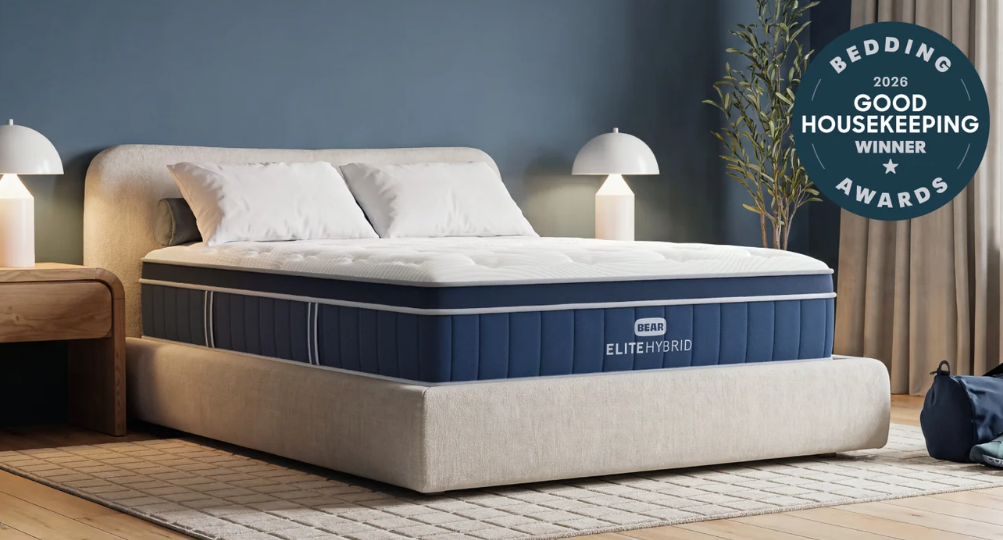
Bear does really well designing sleep systems aimed at physical restoration. The Bear Elite Hybrid represents their highest-tier engineering effort for high-performance bodies.
- The Material Claims: The defining feature of the Bear line is its integration of Celliant technology within the mattress cover. Celliant is a proprietary textile blend embedded with thermo-reactive minerals. I have found that this fabric absorbs my body’s natural infrared heat and reflects it back into the muscle tissue, which, according to Bear’s website, promotes localized circulation, cellular oxygenation, and faster muscle recovery.
- Mechanical Performance: Beyond the textile claims, the Elite Hybrid is an exceptional piece of structural engineering. I was blown away by the hand-tufted cover over memory foam. It’s infused with copper, which provides excellent initial thermal conductivity. Below the foam is where you get the zoned, pocketed coil system. The center third of the coil bed is reinforced with stiffer coils to provide extra push-back support underneath the heavy lumbar and hip region of muscular athletes. So in all, it’s soft enough around the perimeter that if you sleep on your side, your shoulder won’t get jammed (so many months of dealing with this problem), but it’s still sturdy enough for other pressure points.
The Thermal Engineering Leader: Brooklyn Bedding Aurora Luxe
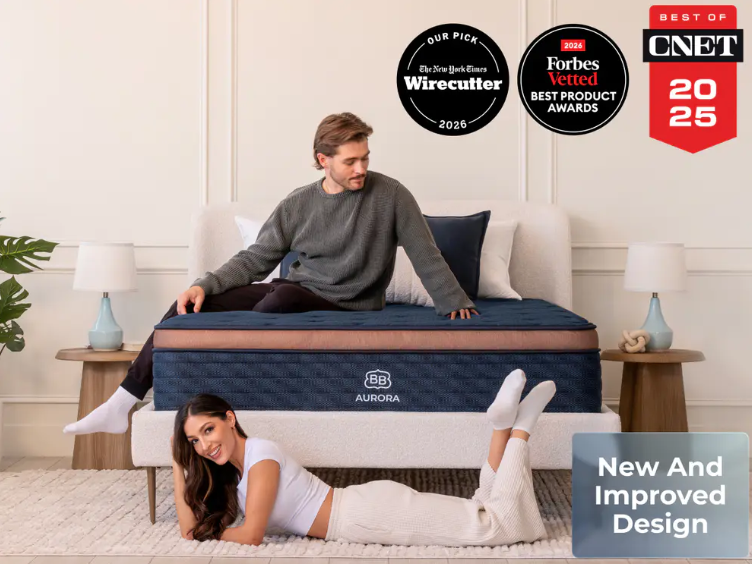
Brooklyn Bedding is cool because the company owns a domestic state-of-the-art manufacturing facility. This just means they have complete control over their engineering, material testing, and foam density. The Brooklyn Bedding Aurora Luxe is specifically tailored for athletes struggling with post-training thermal regulation.
- The Material Claims: The Aurora Luxe leans heavily into advanced phase-change cooling. The top layer features a proprietary foam branded as TitanCool™, which is treated with a hyper-conductive liquid gel that actively moderates surface temperature to keep the skin at an optimal 88 degrees. At least I won’t wake up burning.
- Mechanical Performance: The Aurora Luxe excels at handling variable body mass because it is offered in three distinct, precisely engineered firmness levels (Soft, Medium, Firm). For athletes over 200 pounds who sleep on their backs or stomachs, the Firm configuration is best with its hyper-dense transition foam; it prevents the spine from dipping. The entire system is anchored by up to 1,032 individually encased coils that respond instantly to changes in sleep position, ensuring that moving around requires minimal effort—a key factor in preventing nighttime micro-awakenings.
The Eco-Responsive Alternative: Birch Luxe Natural Hybrid
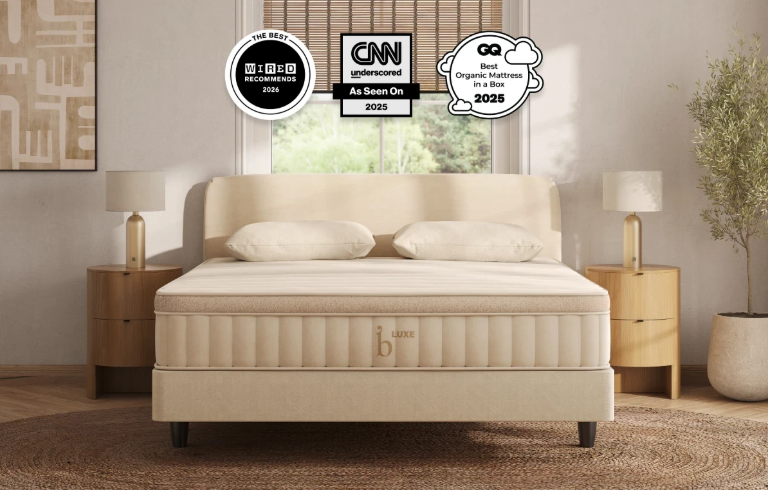
If you want to avoid synthetic polyurethane foams completely, natural latex hybrids like the Birch Luxe offer an entirely different mechanical profile.
- The Material Claims: Constructed with organic wool, cotton, and sustainably sourced Talalay latex, this bed avoids chemical phase-change materials in favor of natural breathability and moisture-wicking. So if your main vibe is eco-friendly materials sans chemicals, here you go.
- Mechanical Performance: Talalay latex is inherently far more responsive and springy than memory foam. Instead of slowly sinking into a contouring mold, an athlete floats directly on top of a latex layer. This rapid push-back is highly effective for heavy lifting enthusiasts who feel trapped by deep foam beds, and the natural open-cell structure of latex handles heat dissipation naturally without relying on cooling gels.
The True Zoned All-Foam Champion: Casper Wave Hybrid Snow
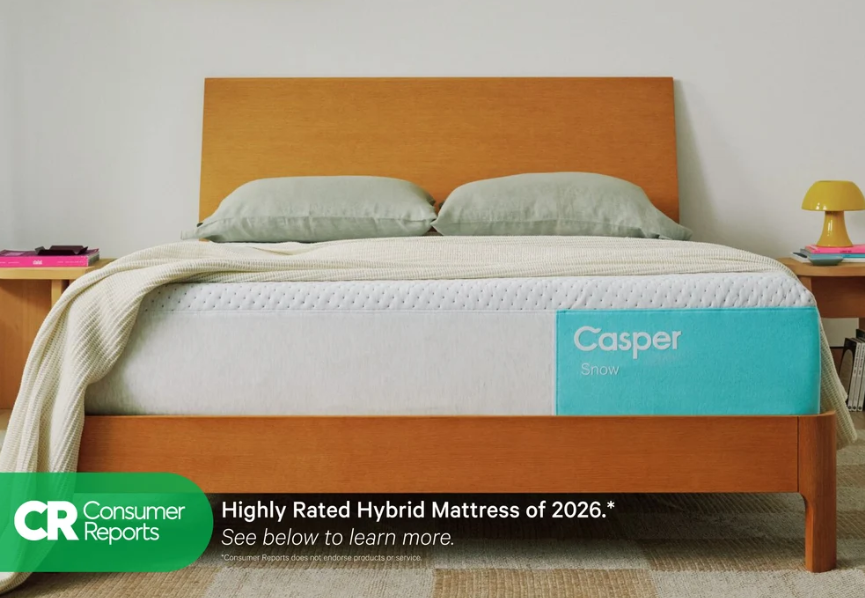
If you prefer the deep, contouring hug of a foam-heavy feel but cannot risk the associated spinal sagging, the Casper Wave Hybrid Snow represents an advanced ergonomic option.
- The Material Claims: The “Snow” iteration adds specialized cooling bands designed to channel heat away from your core for up to 12 hours.
- Mechanical Performance: Casper stands out with its intricate Zoned Support Pro™ system. The mattress features targeted gel pods embedded directly beneath the waist and lower back. These pods act as structural pillars, preventing your midsection from sinking while allowing your shoulders to sink deeply into soft foam. This precise structural mapping mimics the natural curvature of the spine perfectly, maximizing overnight decompression.
Summing Up
Overall, picking the best mattress as an athlete means a deep understanding of what heavy training does to your joints, how your thermodynamics change as an athlete when you sleep, mass vs. density, and then picking something based on your personal preferences like an all-foam design, eco-friendly option, cooling tech, or benchmark for physical restoration.