


- Choosing the Best Certification for Online Personal Training - September 29, 2026
- Best Personal Trainer Certifications in Spanish (2026 Buyer’s Guide) - September 14, 2026
- ISSA vs NASM in Spanish: Which Certification Fits You? - September 4, 2026
Personal training has shifted a lot over the years. It used to mean having someone standing next to you in the gym; now it can mean hiring a coach thousands of miles away to guide you through your workouts.
With more and more coaches building entire businesses through video calls, apps, and remote check-ins, it has changed what “qualified” actually means. A certification that prepares you to spot someone’s squat form in person doesn’t automatically prepare you to coach someone through a screen.
General personal training might cover the basics (anatomy, program design, client assessment), but it doesn’t always go deep enough into the specific skills required for online coaching. We are talking about building trust without a handshake, adjusting programming based on a video upload instead of a live rep, and using technology to deliver a personalized experience.
Here, we’ll break down what online coaching actually requires, compare the certifications that fit this new reality, and review factors that should shape your decision.
Why Online Personal Training Requires Different Skills
Coaching someone through a screen isn’t the same as coaching them in person, even though the underlying exercise science is the same. A few distinct skill areas make an online coach successful.
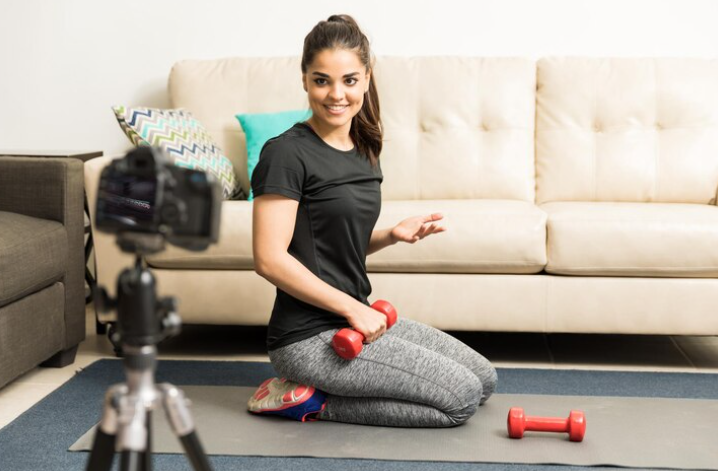
Building Rapport and Accountability Remotely
In-person trainers build trust through physical presence: a spotted red, a high five, a conversation before the session starts.
In online coaching, you build that trust through consistent communication, clear expectations, and follow-through on check-ins. Clients who never see you face-to-face need a different kind of relationship management to stay engaged and motivated.
Programming Through Video Analysis and Remote Check-Ins
While some online sessions are live, others rely on clients to do the work on their own at a different time. So, without the ability to correct form in real time, online coaching relies on video submissions, written feedback, and detailed cueing to keep the client safe and progressing.
This requires a stronger emphasis on clear instructional writing and the ability to catch technical errors from a recorded clip rather than a live setting.
Managing Clients Across Time Zones and Fitness Levels
You might end up coaching a beginner in one country and an advanced lifter in another, all within the same week. This adds layers of difficulty, such as scheduling check-ins, adjusting programs to fit equipment access, and communicating across time zones.
Using Technology to Deliver Coaching at Scale
Online trainers depend on apps, scheduling software, and communication platforms to help run their business. That’s why it’s important to feel comfortable using these tools and use them to personalize the client experience rather than create an automated feel.
Key Differentiators to Consider
Not every certification will have all of these factors, so evaluate each option before you decide. Prioritize what factors matter most, and which ones you can create some adjustments to.
- Study flexibility: Can you complete the coursework on your own schedule, or are there fixed class times and deadlines that might not fit around your day job?
- Industry recognition: Will gyms, clients, or insurance providers recognize the certification if your plans change down the road?
- Specialization for online niches: Does the certifying body offer add-ons like nutrition, health coaching, or women’s fitness that help you stand out from other online coaches?
- Ongoing career support: Does the certification come with resources for finding clients or employers after you’re certified, or does the relationship end once you pass the exam?
- Cost and value: Does the pricing structure work for a solo coach just starting out, or is it built more for someone entering a larger training business?
- Technology and learning experience: Is the platform itself modern and easy to use? If the certification can’t deliver a smooth digital learning experience for an online coaching course, it’s worth considering.
Certification Comparison at a Glance
| Feature | ISSA | NASM | ACE |
| Accreditation/Recognition | NCCA-accredited option available, widely recognized, though some chains prefer NASM or ACE. | NCCA-accredited, one of the most recognized credentials. | NCCA-accredited, broadly recognized by gyms, employers, and insurance providers. |
| Study Format | Fully self-paced and online, open-book format (not NCCA-accredited); they offer classes to help with the process. | Primarily self-paced online, higher-tier packages offer live group sessions and mentoring. | Self-paced online, higher-tier packages add exam prep tools and support resources. |
| Strengths for Online Trainers | Flexible format that mirrors online business management; they offer a wide range of add-ons. | OPT model that provides a clear, repeatable programming framework. | Strong focus on behavior change and client psychology, directly useful for keeping remote clients accountable. |
| Limitations | Some major chains may prioritize NASM or ACE. | Higher price point, and the curriculum doesn’t address online business building or client acquisition. | Doesn’t cover the business side of remote coaching, and is a similar price to NASM. |
| Pricing | $89 per month or $886-$1000 one-time payment. | $799-$1,299 depending on the package. | $799-$1,499 depending on the package. |
| Best Fit For | Career changes and new online trainers who want to build a strong online presence. | Trainers who want broad recognition and structured programming that might eventually want to work at gym chains. | Science-forward trainers planning a hybrid in-person and online model. |
Top Certifications for Online Personal Training
ISSA
ISSA built its certified personal trainer program around a self-paced, fully online format, making it a natural fit for people planning to run an online coaching business from day one.

What the program covers: It goes through exercise science, anatomy, physiology, nutrition fundamentals, program design, and client assessment. It also goes through special populations (older adults and clients with chronic conditions). It includes CPR/AED certification, and you can sit the NCCA-accredited exam.
How the learning format works: Everything is fully online, with no fixed class times or mandatory login windows. You move through the material at your own pace, which means you can study around a full-time job or other commitments. Most complete the course within a few months.
Who it’s best for: It’s a great option if you are starting from scratch and want the flexibility to study on your own schedule, or if you’re already planning to coach clients remotely rather than working out at a gym.
Strengths for online trainers: The self-paced format mirrors the nature of running an online coaching business. Additionally, ISSA offers a module based on how to run a coaching business, giving you the tools you need to start on the right foot. They also offer other specializations like nutrition coaching, glute coaching, or women’s fitness.
Limitations: While ISSA’s NCCA-accredited option adds credibility, some larger gym chains and corporate wellness programs prioritize NASM or ACE credentials. However, it depends on what they are looking for.
Pricing: Plans start around $89 per month (or $800-$1,000 one-time payment), making it a great, accessible entry point into the industry.
NASM
The National Academy of Sports Medicine is one of the most widely recognized certifications in the fitness industry, which is built around its Optimum Performance Training (OPT) model. That structured, phase-based approach to programming translates well to remote coaching, giving you a clear, repeatable framework to apply to your clients.
What the program covers: The program includes human movement science, exercise physiology, nutrition basics, client assessment, corrective exercise, and program design using the OPT model. It also includes content on behavior change, which is especially relevant for remote coaches to promote change and accountability.
How the learning format works: NASM offers a mix of online studying with reading materials, video, and practice assessments. While it’s mostly self-directed, NASM does offer study packages at a higher price that include live online group sessions and one-on-one mentoring.
Who it’s best suited for: It’s a strong fit if you want a credential with broad industry recognition and a methodical, science-backed approach to programming. It’s also a good option if you want to do a combination of in-person and online coaching.
Strengths for online trainers: NASM’s name carries significant weight in different industries (gyms, corporate wellness programs, and insurance providers). Their OPT model also helps online coaches communicate programming clearly to clients and promote change.
Limitations: NASM’s pricing is higher than some competitors. Depending on the package, you can expect to pay between $800 and $1,200 or more. And while the curriculum is thorough, some newer online trainers find the OPT model requires additional practice to build confidence in implementing it.
Pricing: Basic packages start at $800, and more comprehensive bundles can go up to $1,300. Payment plans are also available, making the cost more manageable.
ACE
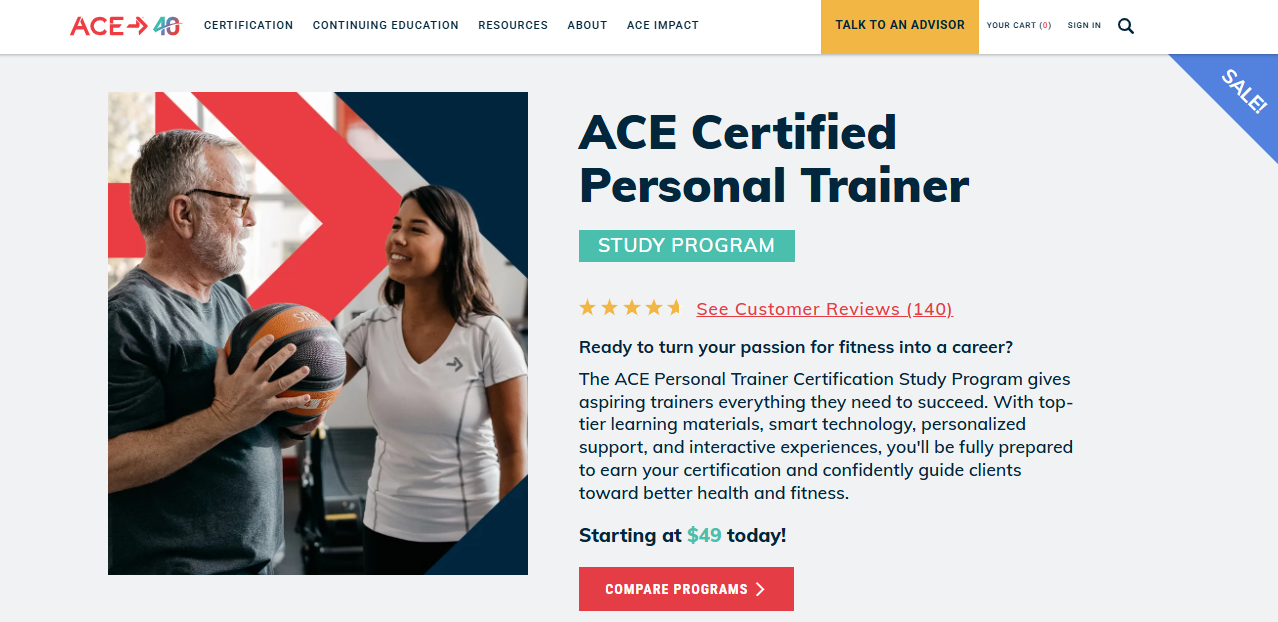
The American Council on Exercise certified personal trainer program is built on a strong academic foundation and is broadly recognized across the fitness industry. ACE tends to appeal to trainers who want a rigorous, science-backed curriculum.
What the program covers: The ACE CPT curriculum has a client-centered approach that organizes programming around 4 phases, from building rapport and movement to optimizing performance. You’ll go through exercise science, anatomy, physiology, behavior change, and program design.
How the learning format works: ACE delivers the course through a digital learning platform that combines reading materials, video content, and practice assessments. It’s self-paced, so you can work through the material at your own pace. At higher tiers, you can get additional exam prep resources and support tools.
Who it’s best suited for: It’s a good option if you value a science-forward curriculum and want a credential that carries weight with gyms, employers, and insurance providers.
Strengths for online trainers: ACE’s focus on behavior change and client psychology gives you the tools that translate directly to remote coaching. They also offer specializations like fitness nutrition, weight management, and functional training, which can help you build a more thorough online program.
Limitations: Like NASM, ACE doesn’t address the business-building side of running an online coaching practice, things like client acquisition, pricing your services, or using coaching platforms.
Pricing: ACE packages typically range from around $800 to $1,500 depending on the study materials and support you need.
Finding the Certification That Fits Your Coaching Business
The right certification for online personal training comes down to balancing 3 things: affordability, flexibility, and industry recognition. General personal training certifications aren’t wrong, but those built with remote coaching in mind tend to save you time figuring out how to apply what you’ve learned to a screen-based business.
All three are great options, each with its own benefits. Remember that your certification is only the starting point. Pay attention to options like Career Connect, ongoing specializations, and continuing professional development, which carry a coaching business forward long after the exam is behind you.