

- The Best Way to Specialize as a Trainer: A Complete Guide - October 7, 2026
- Choosing the Best Certification for Online Personal Training - September 29, 2026
- Best Personal Trainer Certifications in Spanish (2026 Buyer’s Guide) - September 14, 2026
Congrats on passing your CPT exam! You probably have now landed a couple of clients, and you might be wondering what comes next.
It’s more common than you’d think that most new trainers hit a plateau around the one-year mark. You’re capable, certified, and busy, but you look the same on paper as every other CPT in your gym. Right now, there is nothing that sets you apart from the rest.
The trainers that break through usually have one thing in common, and that’s they’ve picked up a niche to focus on. They’ve built a specialization that tells clients exactly who to help and why they’re worth booking over the trainer next door.
But specializing isn’t just about collecting certifications just for the sake of it. It’s a deliberate career move that changes how you’re positioned in the market, what you can charge, and who seeks you out.
Here, we’ll walk you through how to think about specialization like a career strategy: how to pick a niche that fits both the market and your interests, the biggest specialization directions worth considering, how stacking credentials affects your earning potential, and how to actually add a specialization onto the CPT you already hold.
Why Specialize as a Trainer?
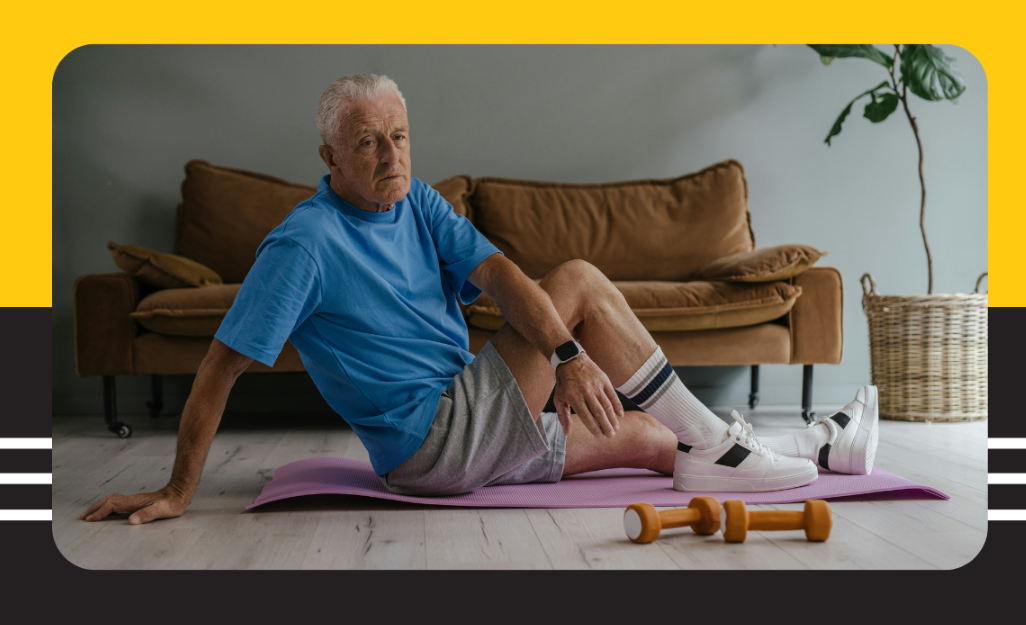
Clients aren’t looking for simply a trainer anymore. They’re searching for someone who understands their specific situation, whether it’s a new mom rebuilding core strength, a 60-year-old looking to keep their independence, or an athlete recovering from an ACL tear.
More trainers are choosing to specialize, and some niches are growing fast. Programs for older adults ranked #2 in the U.S. in ACSM’s 2026 fitness trends report, and about half of trainers surveyed for the 2026 State of the Personal Training Industry Report named longevity as a top-three trend. Pre/postnatal fitness and injury rehab are also popular choices.
The Income Case
Specialized trainers routinely charge 30-50% more than those who simply have a PT certification. For example, a powerlifting coach could charge $150 an hour, while a general PT might charge $40 an hour.
Keep in mind that this depends on demand, but generally, a specialization lets trainers charge more for their knowledge and experience in that area.
Positioning Beats Competing
Nowadays, the personal space can feel crowded. However, specializations narrow your competition, since most trainers haven’t done the work to define exactly who they serve.
Deeper Expertise Builds Deeper Trust
Clients may stay longer with trainers who understand their specific needs. A trainer who’s studied menopause-related hormonal shifts or corrective exercise for chronic pain builds a level of trust a general PT might not be able to approach. And, that trust is what builds retention.
It Can Change How You Feel About Work
Some personal trainers have an exhausting day, with back-to-back sessions with rotating clients all with different goals, fitness levels, and equipment. Specializations let you go deep. You see the same patterns, solve similar problems, and get better at solving them faster.
Assessing Your Niche: Demand vs. Interest

Before you enroll in your next specialization, spend real time analyzing which one is best for you. Successful trainers in their specialization aren’t the ones who picked the most popular certification.
They’re the ones who found the overlap between what excites them and what the market is currently looking for.
- Start with your genuine interests. What population do you gravitate toward in your current sessions? Are you a trainer who lights up working with older adults, or the one who enjoys talking about macros and meal timing? Your energy shows up in your coaching, and your clients feel it.
- Research demand in your specific market. A niche that’s oversaturated in one city might be open in another or online. Look at what other trainers in your area are (and aren’t) offering. Check local class schedules, search-volume terms in your city, and conversations in social media groups.
- Look at your current client base. What questions do your existing clients keep asking you that fall outside your current expertise? If half of them are asking about nutrition, that’s a signal. If you’re getting questions about managing injuries, that’s another.
- Balance passion with practicality. A specialization you’re excited about, but nobody wants in the market, won’t pay your bills. Try to find a lucrative niche that also excites you, since you’ll need to put time and effort into it.
What’s the Best Specialization for a New Coach?
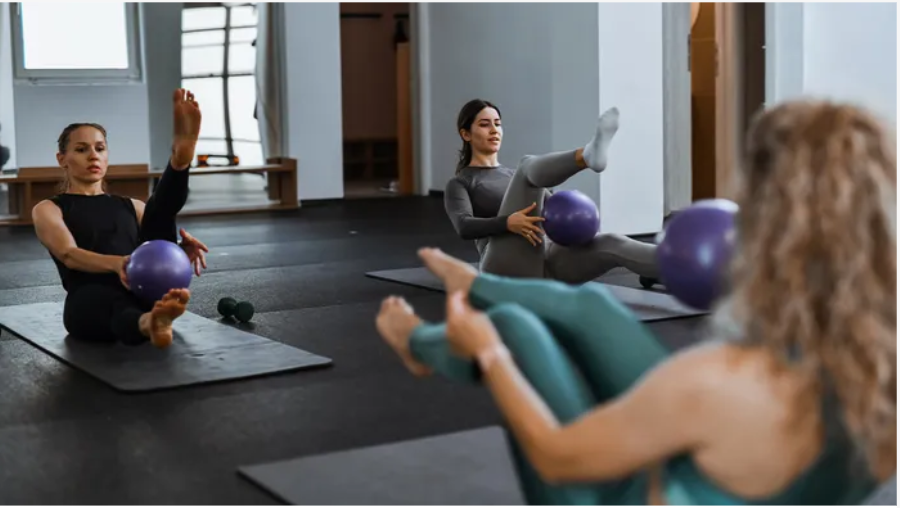
The fitness industry offers more specialization paths than most trainers realize. Here’s an overview of the biggest directions worth considering, along with where they tend to fit best.
Nutrition Coach
A nutrition coach certification lets you guide clients on fueling, body composition, and sustainable habits within your scope as a fitness professional (remember it doesn’t replace a registered dietitian). This is one of the most commonly paired specializations because clients often have nutrition questions.
Women’s Specific Fitness
It’s estimated that 60-75% of personal training and nutrition clients are female. However, most trainers are prepared to coach a generic client rather than one that’s going through hormonal shifts, pregnancy, or menopause.
That’s where specializations like menopause coach, pre/postnatal, and women’s hormone coach can come in handy.
Senior Fitness and Longevity
Older adults are training longer and more consistently than previous generations, and they’re looking for coaches who understand age-related considerations like bone density, balance, and mobility. Additionally, more and more people are looking into ways to improve longevity and age properly.
Corrective Exercise and Injury Prevention
A corrective exercise specialization prepares you to identify movement dysfunctions, work around common injuries, and help clients train safely through pain points that would otherwise sideline them. You can pair it with a senior fitness specialization or sport-specific one.
Sport-Specific Training
Specializing in a particular sport, whether that’s strength conditioning for athletes or performance training for a specific discipline, lets you speak directly to a population that values a lot of expertise and is often willing to pay for it.
Strength and conditioning coaches working with elite professional athletes can earn considerably more than general PT.
Health Coaching
A health coach helps you broaden your scope beyond exercise programming into lifestyle change, habit building, and accountability. This is a strong fit for trainers who want to work with clients on the “why” behind their behavior, not just the “how” of their workouts.
Yoga and Pilates Certifications
Adding a Yoga 200 or Pilates certification brings a complementary mind-body option. These credentials work well for trainers who want to diversify their services or move into a studio-based, lower-impact training environment.
The Role of Credential Stacking in Positioning and Earning

When considering a specialization, most trainers wonder whether to go deep into one area or build a stack of complementary credentials.
There is no right or wrong answer; it depends on your goals. But stacking tends to win when the credentials tend to complement each other. For example, a PT with nutrition coach and health coach certifications can handle training, fueling, and behavior change.
Here are some things that can help you consider if you need to go deeper or if it’s better to stack.
- When to go deeper vs. when to add. If you’re building a reputation in one specific niche, like sport-specific performance training, it would be best to focus on advanced credentials in that single area. But, if your goal is to serve a broader population, like weight loss or general wellness, stacking credentials might offer a full-service experience.
- Strategic sequencing matters. The credentials that stack best have logic built in. The CPT sets your foundations, then a specialization reflects the niche you chose, then a credential can help you round out your scope (like nutrition or health coaching).
- Brand position. A trainer with one certification is a trainer. But a trainer with 3 connected credentials in women’s health, nutrition, and menopause coaching is a specialist other trainers can refer clients to.
How to Sequence a Specialization Onto Your Existing CPT
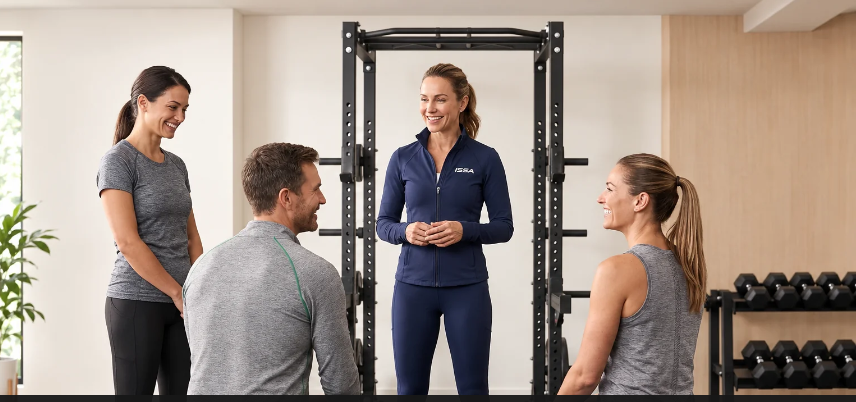
If you’re already working as a CPT, the question then isn’t whether to specialize. It’s when and how to add it without affecting the business you’ve worked hard to build.
Give yourself time to find the real gap. There’s no rule on how long you need to wait, but most trainers benefit from at least 6-12 months of active client work before choosing a specialization. That time in the field reveals which client questions you can’t fully answer and which population you enjoy working with.
Build practical experience along with your education. Certification teaches the frameworks, but you need to apply them. While you’re studying, look for ways to apply what you’re learning with willing current clients.
Tell your existing clients early. Don’t spring a new specialization on your current roster. Mention what you’re studying, why it interests you, and how it might benefit them. Clients often become your first specialized case studies and the best referral sources.
It’s all about the wording. Instead of “I got a nutrition coach certification,” tell them why it matters. “I can now help clients fix the 80% of results that happen outside the gym. Your marketing should translate the credential into the specific problem you want to solve.
Use bundled pathways. If you know you want to stack credentials rather than add them one at a time, some organizations offer bundled programs.
Other Things You Need to Consider
Here are some other things that are worth weighing before you commit.
- Run the cost-benefit analysis. Specialization courses range from $50-$70 a month for a standalone certification up to a few thousand dollars for a comprehensive bundle. Weigh that investment against your realistic ability to increase your rates or attract new clients.
- Plan for ongoing education. Fields like nutrition science and corrective exercise constantly evolve. Look for continuing education options that let you keep your knowledge current without starting over on a new certification.
- Find your people in the niche. Communities of trainers working in your specialization, whether it’s through online groups, local meetups, or mentorship programs. This can help shorten your learning curve instead of working alone.
Where to Find Specializations Online
If you’re ready to level up your expertise, several trusted organizations offer certifications to help you specialize.
- ISSA (International Sports Sciences Association): ISSA is fully online and offers one of the widest ranges of specialist certs in the industry. It’s accredited by the Distance Education Accrediting Commission (DEAC), and its CPT program includes both an open-book exam and an NCCA-accredited proctored exam at no extra cost. ISSA also backs its CPT with a money-back job guarantee and connects grads with hiring gyms through Career Connect. Popular specializations include Senior Fitness, Functional Aging Specialist, Lifespan Coach, Exercise Therapy, Corrective Exercise, Menopause, Strength and Conditioning, and Health Coach.
- NASM (National Academy of Sports Medicine): NASM is built around its Optimum Performance Training (OPT) model. Options include Senior Fitness, Corrective Exercise, Women’s Fitness, Performance Enhancement, and Nutrition Coach.
- ACE (American Council on Exercise): ACE is a nonprofit focused on behavior change and science-based training. Options include Senior Fitness, Pain-Free Movement, Cancer Exercise, Alzheimer’s Fitness, and Functional Training.
For something more focused, you might want to consider organizations like Precision Nutrition for diet coaching or the National Strength and Conditioning Association (NSCA) for strength and conditioning.
Many of these certifications are fully online, making them accessible regardless of your schedule and location. Research the course, reviews, and eligibility to find the best fit for your goals and needs.
Start With the Assessment, Not the Enrollment

Specialization works best as a deliberate strategy, not an impulse purchase. Start by honestly assessing where your interests and your market’s demand overlap.
Research the specialization directions that fit that overlap: nutrition, women’s fitness, senior training, corrective exercise, sport-specific work, health coaching, or yoga and Pilates. Think about which one deep specialization or a stack of complementary credentials fits your brand or what you are trying to build.
No matter where you land, look for a pathway that lets you keep adding credentials as your career and interests evolve.