

- Apollo Neuro Alternative: How Nuropod, Pulsetto, and Sensate Compare - October 16, 2026
- Nuropod vs Pulsetto: Comparing Vagus Nerve Stimulation, Technology, and Everyday Use - October 16, 2026
- Is Vagus Nerve Stimulation Safe? A Nurse’s Guide to Device Safety - April 28, 2026
If you’ve been reading about vagus nerve stimulation for a while, you’ve probably noticed two names coming up again and again: Nuropod and Pulsetto. Both send a gentle electrical current through the skin to stimulate the vagus nerve. Beyond the initial action of stimulating the vagus nerve; their approach, technology, and research are different. These differences show up every single day you use them.
As a psychology graduate and Master’s nursing student, I’m wary of any device that asks for several hundred dollars before it’s shown me what’s behind it. I wanted to look past the marketing and ask a few plain questions. How does each one work? What does the research actually say? And which one are you more likely to still be using in three months?
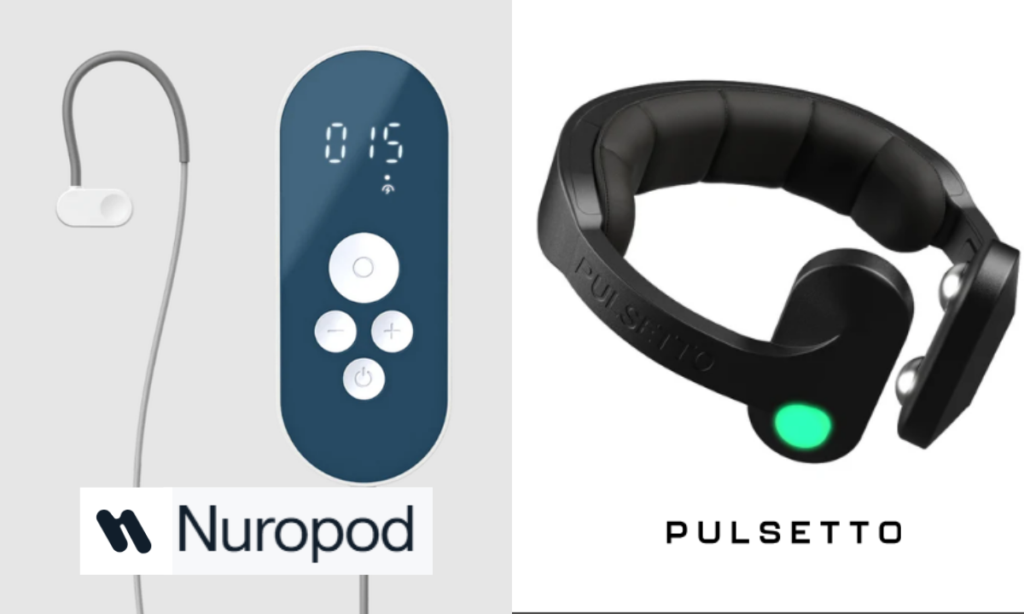
Here’s the short answer. Nuropod uses Parasym’s proprietary AVNT™ approach to stimulate the vagus nerve via the tragus, with no gel and no app. Pulsetto stimulates through the neck, with shorter app-guided sessions and a lower upfront price. If you want ear-based stimulation, research that includes sham-controlled studies, and a routine without extra steps, Nuropod is the one I’d look at first. Pulsetto still has a lot going for it, though, and there are good reasons to choose it.
Nuropod vs Pulsetto at a Glance
This comparison focuses on Nuropod and Pulsetto FIT. I cover Pulsetto’s newer FIT X separately so its features don’t get mixed up with FIT’s.
| Feature | Nuropod | Pulsetto FIT |
| Placement | Earpiece on the tragus | Worn around the neck |
| Stimulation | Ear-based electrical VNS using Parasym’s AVNT™ | Neck-based electrical VNS |
| Hands-free during use | Yes | Yes |
| Conductive gel | Not needed | Needed |
| Companion app | Not needed | Needed |
| Paid subscription | None | Optional; five core programs included free |
| Usage guidance | 15–60 minutes daily | Depends on the program; examples include 4-minute stress and 10-minute sleep sessions |
| U.S. price checked | $900 | $296 |
| Additional costs | $50 replacement earpiece if needed | Gel ($45 for four tubes); optional Premium ($45 a quarter or $139 for 12 months) |
Prices checked September 29, 2026, before tax, on Nuropod’s product page and Pulsetto’s current shop. Offers change often, so check the price at checkout.
How Does Each Device Reach the Vagus Nerve?

The vagus nerve carries signals between the brain and body, and it plays a big part in how your body shifts between stress and rest. Non-invasive VNS aims to engage it using a low-level electrical current delivered through the skin. Both devices do this. Where they differ is the stimulation site and the system behind it.
Nuropod: AVNT™ at the Ear

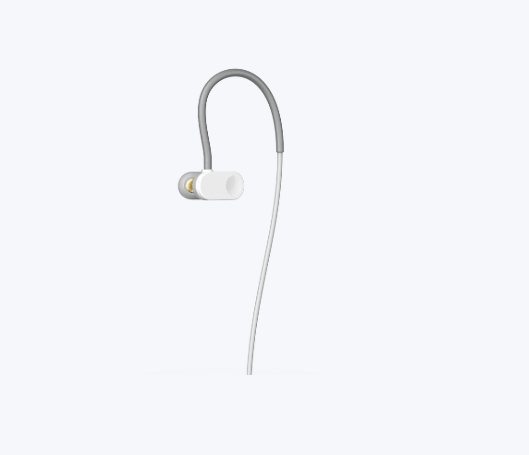
Nuropod’s earpiece clips onto the tragus, the small flap of cartilage beside the opening of your ear canal. It targets the auricular branch of the vagus nerve using Parasym’s AVNT™ approach. It’s designed to support nervous system regulation, relaxation, and recovery.
Placement is only half of it. An ear clip on its own tells you nothing about the signal a device sends or the research behind it. Parasym’s equipment has been used in published studies looking at both body signals and how people feel. That gives you something concrete to check, beyond a general promise of “vagus nerve support.”
Day-to-day, it’s a small control unit with a cable to the earpiece. Once it’s on, your hands are free. You still need the earpiece to sit comfortably against your skin, but there’s nothing to fit around your neck and no gel to apply.
Pulsetto: Stimulation Through the Neck
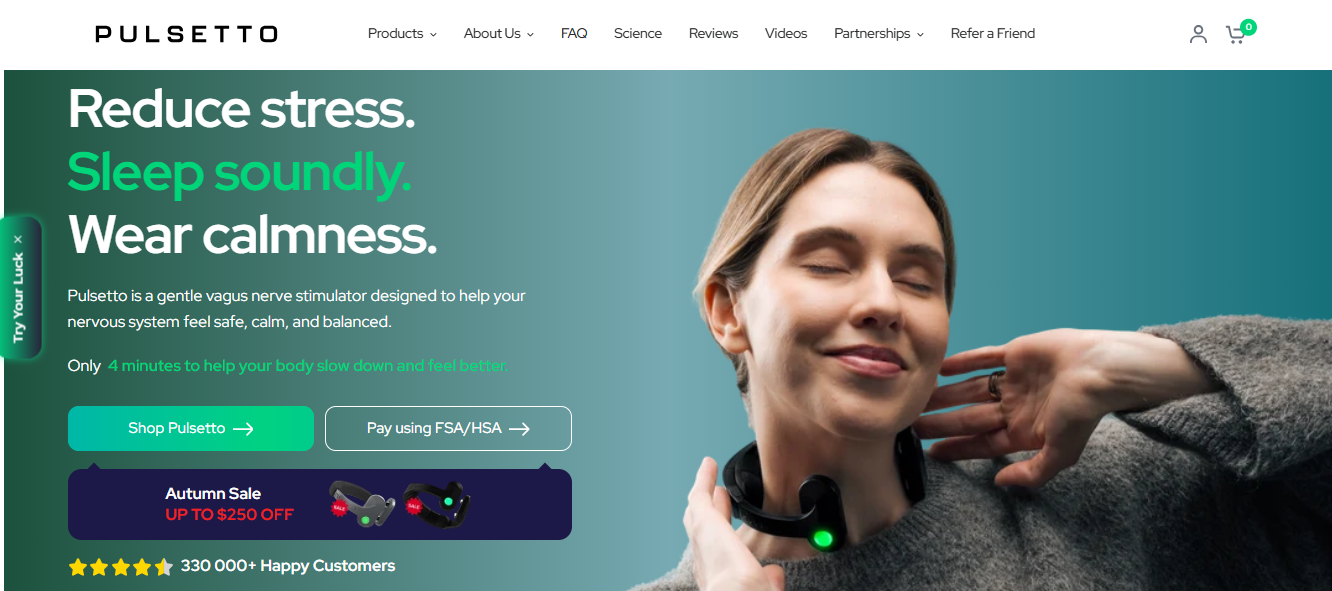
Pulsetto sits around your neck, with electrodes on either side. You apply conductive gel, position the device, and pick a program in the app. Your ears stay free, which may suit you if you don’t like the idea of an ear clip. With this device on your neck, the stimulation has to pass through a much different area than the tragus. Depending on the person, it can be thicker skin, and placement can be more difficult.
Where a device is placed doesn’t tell you which one works better, and research on one device can’t simply be borrowed by the other. What matters is the whole package: where it stimulates, how it stimulates, what the research shows, and how easy it is to live with.
Do You Need Your Phone?
Nuropod: No Phone Involved

You control Nuropod directly on the device. There’s no app and no subscription standing between you and the stimulation.
This is the feature I’d value most. If I’m winding down with a book after a long day, the last thing I want is to open an app, choose a program, and get nudged toward a paid upgrade. For me, fewer setup steps make it easier to fit into an evening. Someone who enjoys digital guidance might see it differently, and that’s fair.
Pulsetto: App Required, Premium Optional
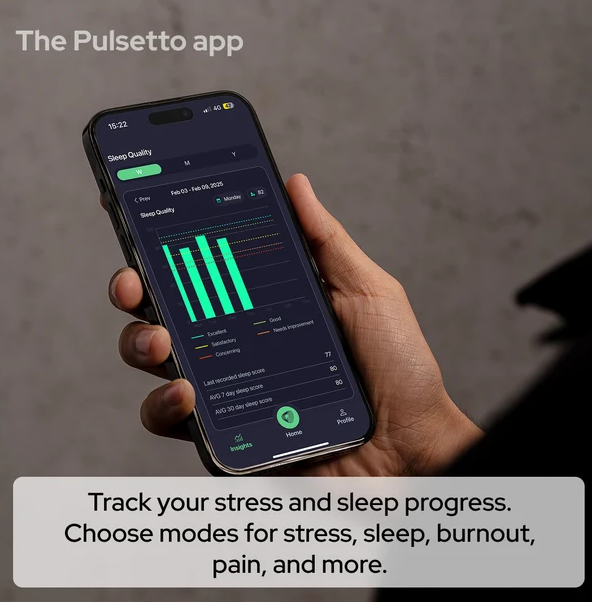
Pulsetto connects to a smartphone app, which you use to start sessions. The five core programs are free. There is a Premium membership which includes extra programs, and features such as guided exercises and positive affirmations. The price is $10.75 a month or $139 for a 12-month subscription. Whether that’s worth paying for depends on whether you’d actually use the extras. More options on a menu don’t mean better results.
Pulsetto also advertises an offline mode, which reduces reliance on an internet connection. You still need the app, though. If you start a Premium trial, check how it renews before you activate it.
Which One Will You Actually Keep Using?
Picture a weeknight. You’re tired, dinner’s done, and you’ve got some time before bed. With Pulsetto, you find the gel, apply it, put the device on, open the app, and pick a program. With Nuropod, you position the earpiece, switch on the device, adjust the intensity, and pick up your book. Neither is hard. The question is which one you’ll still bother with six weeks later.
Nuropod suits a longer seated activity, like reading, answering emails, or watching something before bed. The U.S. product page recommends 15–60 minutes a day, however, recent studies have shown measurable results in as little as four minutes a session, the same as Pulsetto. It can run alongside things you’re already doing instead of needing its own slot in your day.
Pulsetto’s programs are shorter. A four-minute session is easy to attach to something you already do, like getting home from work. There are a few more steps to set up, but far less time wearing it. If your evenings are already packed, that could be the deciding factor.

Using it Around Training
For gym users, Nuropod fits after training, not during it. The manufacturer suggests post-workout sessions as part of a recovery routine, while its FAQ advises against using it during exercise or while asleep. Half an hour with the earpiece on while you eat or sit down after a session is an easy way to build it into a training week.
Pulsetto also does not recommend using it while working out; however, they do suggest using it post-workout, and on their website, they are performing a pilot study with athletes on athletic performance goals using Pulsetto.
What Will You Really Pay?
When the prices were checked, Pulsetto was much cheaper upfront. Nuropod’s gel-free design makes it simpler to use, but it isn’t the cheaper option overall.
Nuropod: No Gel, No Subscription
Nuropod has no gel to buy and no required subscription. The earpiece can wear out with frequent use, much like headphones, and a replacement costs $50. The earpiece comes with a six-month warranty, and the device has a two-year warranty, so an occasional replacement earpiece is the main extra cost to plan for.
Pulsetto: Gel and Optional Premium
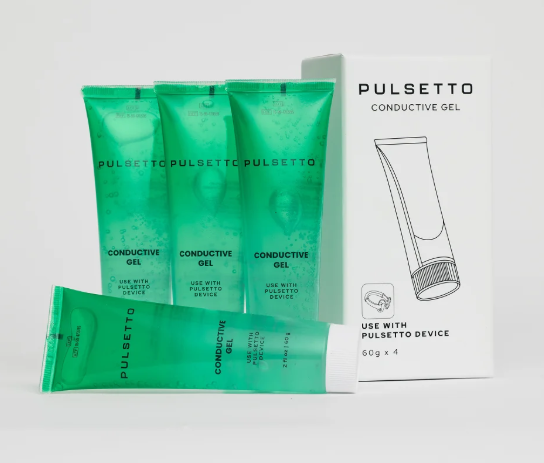
Pulsetto sells a box of four 60 g gel tubes for $45. It estimates that a box lasts four months, depending on how often you use it. The subscription delivers every three months, though, so check the delivery schedule if you sign up. You don’t have to buy Pulsetto’s own gel, because the company says other conductive electrode gels work too.
As a rough example, Pulsetto FIT at $296, three gel boxes at $45 each, and a year of Premium at $139 comes to $570 before tax. That assumes three boxes cover your year, so treat it as an illustration, not a guaranteed bill.
That’s still well below Nuropod’s $900. With Nuropod, you’re paying more upfront for the ear-based stimulation, the research behind it, and a simpler daily routine. Saving on gel and the premium plan doesn’t cover the difference on its own.
What About Pulsetto FIT X?
FIT X was showing at $350 when I checked. Pulsetto describes upgrades including adaptive stimulation and contact sensing, which could help if you’ve struggled to get good electrode contact. These are hardware features, though. Whether FIT X works better than FIT would need a direct comparison.
Returns and Payment
Nuropod offers a 30-day return window from receipt, which gives you time to see whether it fits your routine. Returns need approval and you pay for the return label, so read the conditions before ordering.
Pulsetto also offers a 30-day return policy from the date you receive your order. You must email and explain why you wish to return the item. The item must be returned in its original, unaltered packaging, and you must pay for the return label.
What Does the Research Actually Show?
This is the part I care about most, and it’s where the two devices start to separate. I want to know what equipment the researchers used, what they compared it with, and what they measured.
Nuropod and Parasym’s Research
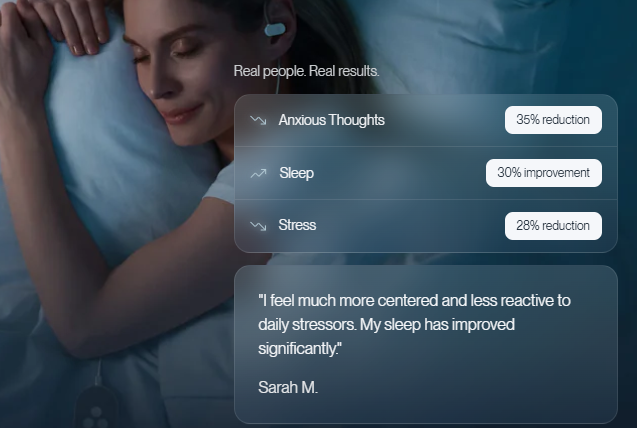
Parasym reports more than a decade of research and development, more than 60 completed studies, and over five million user sessions. Those are company figures covering its whole research program. These aren’t a count of trials on the current retail Nuropod.
What I find more useful is that some of the published studies compare real stimulation with sham. In a 2022 study in PLOS ONE, 14 healthy young adults had five minutes of stimulation with a Parasym device at the tragus and, in a separate session, at the earlobe, which has little or no vagal nerve supply. Several measures of heart rate variability, or HRV, rose more with tragus stimulation than with sham. It’s a small study, but the sham comparison makes the result more meaningful.
HRV is the variation in time between heartbeats, and my psychology background makes me careful about what it can tell you. A change in HRV doesn’t mean someone feels calmer or sleeps better. Those need measuring separately. If you track HRV on a wearable, it’s tempting to judge a device based on one night’s number. A trend over several weeks tells you much more.
A 2025 randomized trial in Biological Psychology did measure how people felt. Seventy adults used a Parasym PK01 device, with sham stimulation as the comparison. Those who received active stimulation in the first two weeks reported greater reductions in perceived stress and anxiety than those on sham. The groups who started two weeks later didn’t show the same advantage. Participants also used the device for four hours a day, much longer than Nuropod’s 15–60-minute guidance.
That’s why Parasym’s research carries weight for me. There are controlled studies using its equipment that you can read for yourself. They’re a good reason to take the technology seriously, as long as you keep in mind the specific protocols and outcomes they tested.
Pulsetto’s Research

A 2026 European Psychiatry conference abstract reported a Pulsetto study of 40 adults, 37 of whom completed the four-week study. Participants received stimulation on one side of the neck or on both sides, and researchers reported improved questionnaire scores and some changes in stress markers.
The study compared two active versions of the stimulation, with no sham group. So it’s hard to know how much of the improvement came from the device and how much came from expectations or changes in routine. One author listed a Pulsetto affiliation, and a conference abstract gives far less detail than a full paper.
A separate 2026 conference report looked at wearable sleep data from 36 Pulsetto users. Their sleep duration increased over six weeks, but without a comparison group, it can’t conclusively show that Pulsetto caused the change.
Pulsetto has also announced a sham-controlled study of brain activity during a single session.
These findings are worth noting, though I didn’t find a published head-to-head trial comparing Nuropod and Pulsetto.
My Recommendation

Nuropod is the one I’d recommend first for someone who values ear-based vagus nerve stimulation, Parasym’s proprietary AVNT™ approach, and published research using Parasym equipment. The gel-free, app-free routine adds to that appeal. The main considerations are the upfront price and making room for regular sessions.
Pulsetto FIT makes sense if budget and short sessions matter most to you. The free core programs mean you can use it without paying for Premium, and some people will like having the app guide them. Just weigh that against the gel and the different way it stimulates the nerve.
Some devices have specific contraindications. For example, Nuropod should not be used by individuals with a pacemaker or certain implanted/metallic devices. Pulsetto should not be used by individuals with certain neck injuries or implants in or near the neck. Users should always review the full device-specific guidance and speak to their healthcare provider(s) or the manufacturer if they are unsure about suitability.
No device will replace sleep, movement, or getting persistent symptoms checked. But if you want vagus nerve stimulation that fits quietly into your evenings, backed by readily available research, Nuropod is where I’d start. If you’d rather spend less and don’t mind the gel and the app, Pulsetto is a sensible way to try it.