

- How To Improve HRV Naturally - May 19, 2026
- Best Recovery Wearable For HRV - May 4, 2026
Athletes and biohackers are no longer just tracking their performance. Instead, they want to know how ready they are to perform in the first place. Metrics like heart rate variability, or HRV, have become increasingly popular when it comes to tracking overall health. As a PhD in biology (with a research background in human physiology), I’ve become increasingly interested in learning about the latest technologies shaping the HRV landscape.
Put simply, HRV is the variation in time between heartbeats. This time difference is regulated by your nervous system, and especially by the balance between your stress (sympathetic) and recovery (parasympathetic) activities. A higher HRV usually means your body is recovering, adaptable, and ready to perform. If you have a low HRV, it can indicate that you’re exhausted, stressed, or not fully recovered.
For high-endurance athletes, understanding HRV can help them decide if and when to push or pull back. Strength athletes might refer to their HRV so they can avoid overtraining and instead optimize their recovery cycles. Biohackers and health enthusiasts can also use HRV as a daily indicator of their overall stamina and nervous system health.
While there are many different types of wearables available on the market that can measure HRV, many of them don’t do more than track your HRV and tell you how recovered you are. More recently, though, recovery wearables have started appearing on the market that aim to support it more directly.
Here’s a breakdown of the top recovery wearables for HRV support and tracking, from smartwatches, chest straps, and dedicated wearables to evidence-backed devices.
At a Glance
- Heart rate variability (HRV) is one of the best indicators of recovery and performance readiness.
- Smartwatches and chest straps are useful for basic tracking and accuracy, while dedicated recovery wearables can offer improved insights via readiness scores.
- A newer category of non-invasive tools focuses on supporting your nervous system regulation and overall health and wellness.
- If you want data, traditional wearables work. If you want to actually boost your recovery and HRV, intervention-based devices are the next step.
Quick Comparison: Best Recovery Wearables for HRV
| Device | DeviceCategory | HRV Accuracy | HRV Improvement | Research Backing | Price | Best For |
| Apple watch | Smartwatch | Medium | No | Moderate | $220-$800 | General use |
| Polar H10 | Chest strap | Very high | No | High | $100 | Athletes, coaches, and researchers |
| WHOOP | Recovery wearable | High | No | Moderate | Subscription-based, $199-$359 yearly | Athletes, fitness enthusiasts,biohackers |
| Oura Ring | Recovery wearable | High | No | Moderate | $370-$420Ring+membership | Sleep,fitnessenthusiasts,biohackers |
| Nuropod | VNS wearable | N/ADevice meant to modulate your nervous system | Yes | Emerging clinical research | $900($100 subsidy on joining their remote study) | Focuses on active nervous system support rather than just tracking |
What Actually Improves HRV?
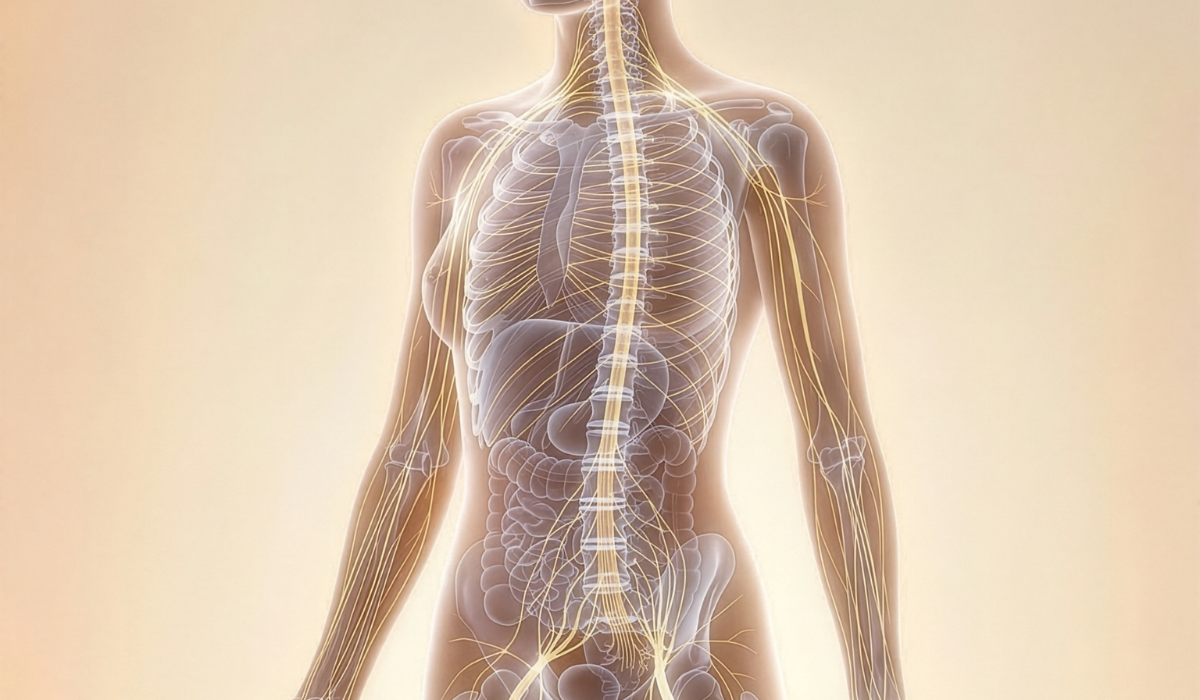
Before we jump into some of the best wearable HRV devices on the market, let’s briefly cover the basics of the autonomic nervous system, which is responsible for running your entire body in the background.
The autonomic nervous system has two branches, the sympathetic and parasympathetic systems. The sympathetic system (fight-or-flight) increases your heart rate and focus and prepares you for performance. The parasympathetic system (rest and recovery) slows down your system, aids in digestion, and promotes repair. In short, HRV indicates how well these two are balanced, and your body can shift between these two states effectively if the variability is high. This is what you want for both performance and your long-term health.
So, how can you improve your HRV? Research points us to a few methods.
- Sleep is the basic and strongest framework for higher HRV.
- Slow and controlled breathwork can also directly boost your parasympathetic system.
- Cold exposure is a strategic stressor that enhances your resilience over time.
- Finally, there’s vagus nerve stimulation (VNS), which directly targets the nerve responsible for activating your recovery state.
There’s a key distinction between passive tracking and active modulation: passive tracking tells you where your HRV is, while active modulation can support shifts in your nervous system.
This is also where the HRV landscape starts to divide. Most wearables fall into one of four categories, each with a different role in the recovery process.
Smartwatches: Handy but limited
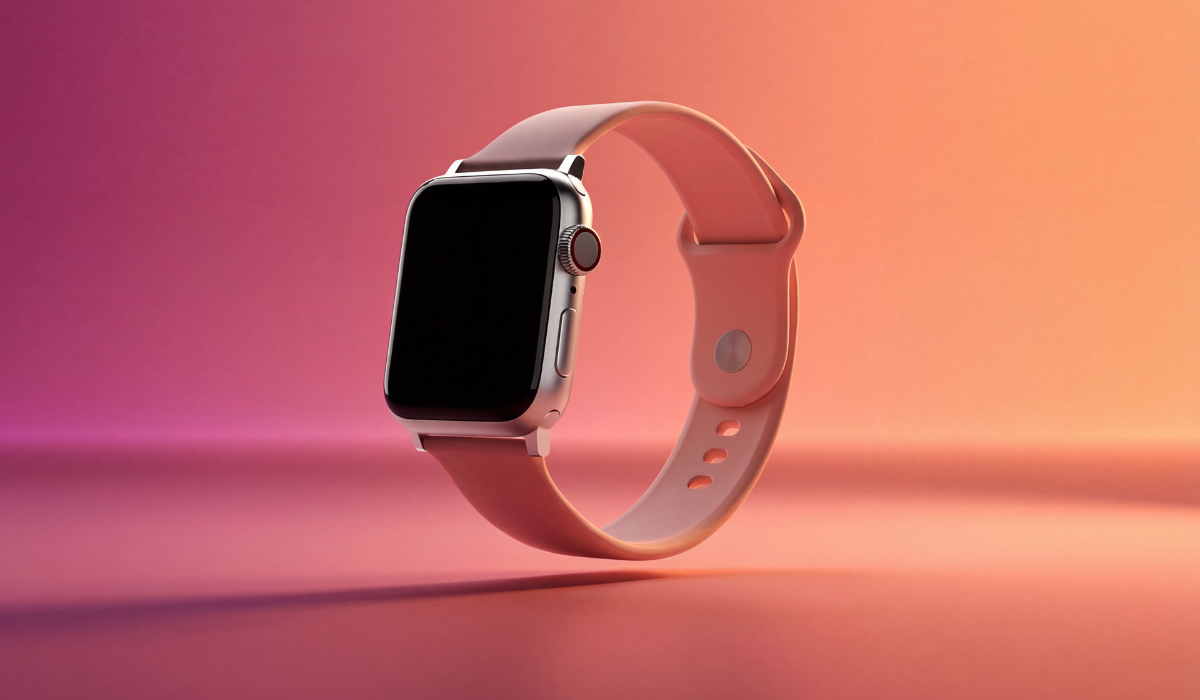
The first entry point for HRV tracking is usually smartwatches. The most common wearables, such as the Apple Watch, Garmin Forerunner 965, and Fitbit Charge 6, are a one-stop solution for fitness tracking, notifications, and health metrics.
Pros: Convenient to use and continuously monitor your heart rate. You can even track your sleep, view activity logs, and estimate your HRV without any extra settings. Smartwatches are perfect for users who want to assess their overall wellness and know their recovery trends over time.
Cons: When it comes to HRV, smartwatches rely on wrist-based optical sensors, and their accuracy can vary based on your skin tone, temperature, movement, and sensor contact. In most cases, HRV is measured during sleep or brief rest periods, and they don’t capture the full picture of your day-to-day nervous system fluctuations.
The biggest limitation of smartwatches is that they don’t help you improve HRV. They don’t have any built-in mechanisms to guide you towards physiological recovery, beyond simple reminders, notifications, or general awareness suggestions.
Overall, smartwatches are extraordinary when it comes to enhancing your health awareness, but they fail to optimize HRV. They generally work best for beginners or general users who are looking for a high level of recovery, not for athletes or biohackers actively seeking performance-related wellness.
Chest Straps: Highly accurate for measurement

Chest straps remain the gold standard for accurately measuring HRV. Devices like the Polar H10 Heart Rate Sensor and the Garmin HRM-Pro use electrical signals similar to ECG rather than optical sensors, making them more reliable for measuring your heart rate and HRV.
Pros: The high accuracy of chest straps makes them a trusted option for ace athletes, health coaches, and researchers. They are extremely useful for generating a clean, reliable, structured report on HRV based on your morning readiness checks or controlled breathing sessions. They can often be paired with other apps to give accurate snapshots of your nervous system.
Cons: Importantly, chest straps do not improve HRV. Chest straps are not meant for all-day wear, and most people use them during training or testing windows. They give you raw data, not recovery insights, a readiness score, or actionable recommendations.
In short, chest straps don’t support complete recovery. They work best for athletes who want structured testing protocols, but they are not suited well for someone who wants continuous guidance and hands-on recovery optimization.
Dedicated Recovery Wearables: What athletes choose
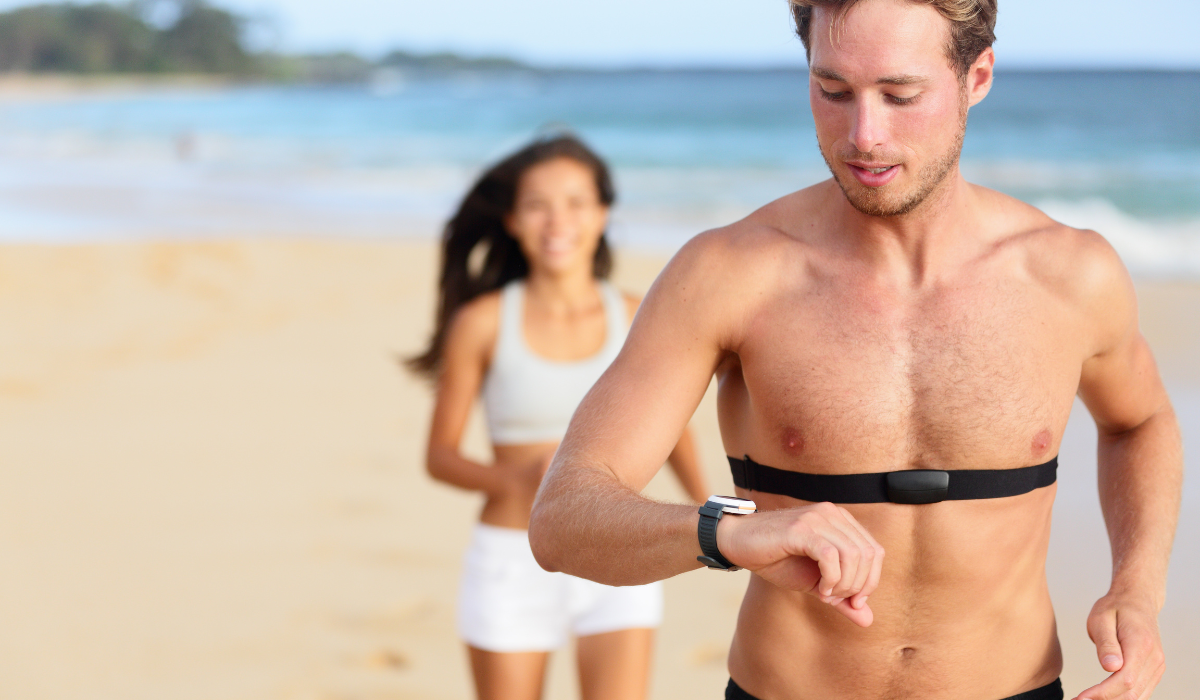
This category of wearables bridges the gap between raw data and real-world usage. Dedicated recovery wearables are usually the first choice of serious athletes and biohackers, and devices like the Oura Ring Gen3, Garmin Fenix 7, and WHOOP Strap 4.0 can help you track how well you’ve recovered every day.
These devices can help to translate HRV into measurable goals, syncing HRV with sleep quality, activity levels, and resting heart rate to create recovery and overall readiness scores. In short, they tell you when to push yourself harder and when to back off.
Pros:
This category offers the clear advantages of continuous tracking, easy-to-interpret insights, and well-designed apps that make it convenient to identify HRV trends over time.
Cons:
These wearables are basically passive. Although they interpret your physiology, they don’t directly help you improve it. You can know when your HRV drops, but these devices won’t help you raise it. Cost-wise, they are on the higher end for subscription-based models, and they rely heavily on algorithms, which can be complicated to understand.
Overall, dedicated recovery wearables offer a good balance of usability and health insights, but don’t actively improve your HRV.
Vagus nerve stimulation devices (VNS): From tracking to active recovery support
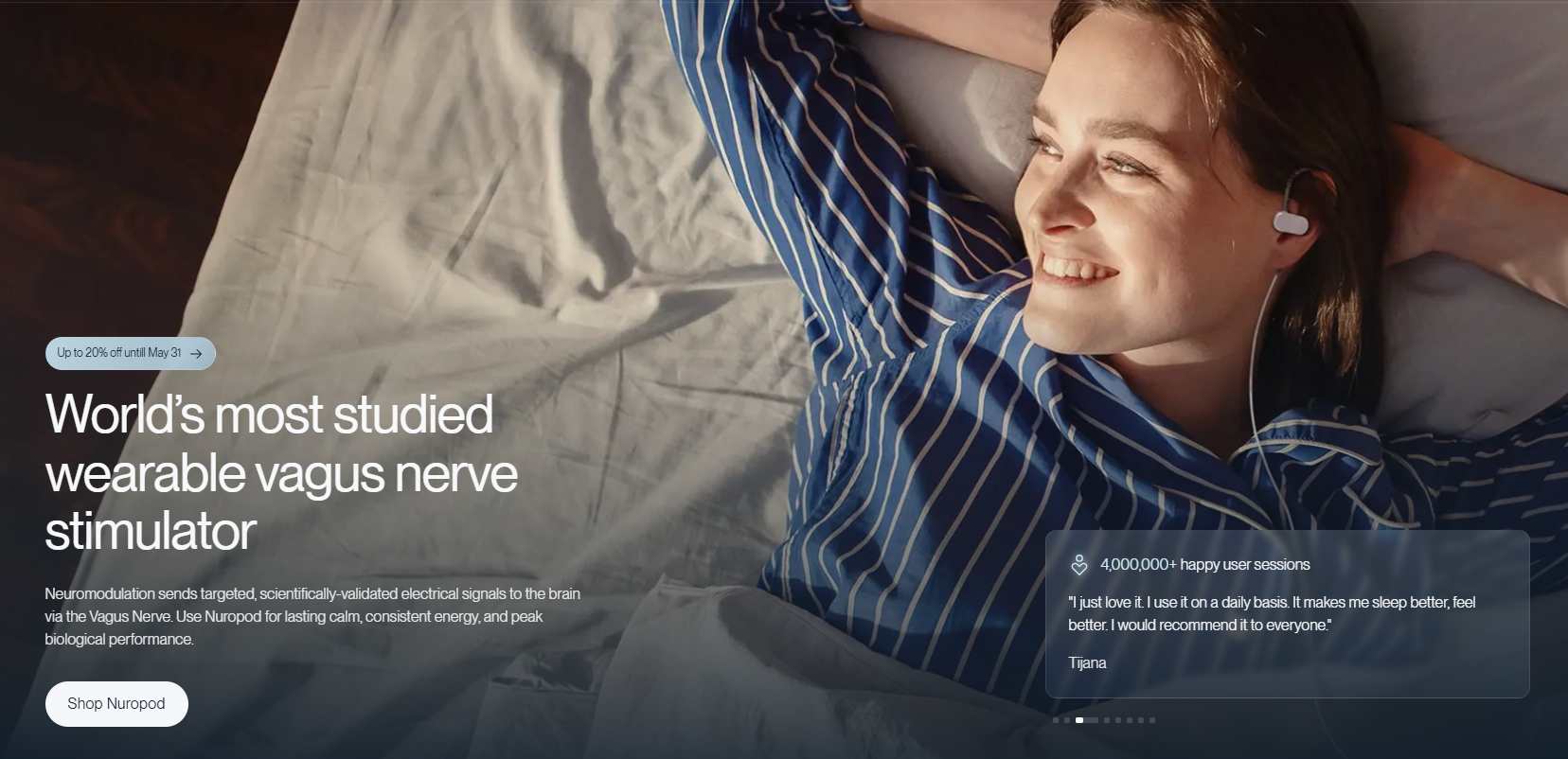
While all the wearables above measure your recovery, vagus nerve stimulation (VNS) devices such as Nuropod can support your nervous system regulation and HRV. This approach is based on a growing body of research around vagus nerve stimulation and autonomic nervous system regulation. Simply put, these devices send a gentle electrical signal to the brain via either your ear or neck and can help regulate the autonomic nervous system and balance the ‘fight-or-flight’ and ‘rest-and-digest’ responses.
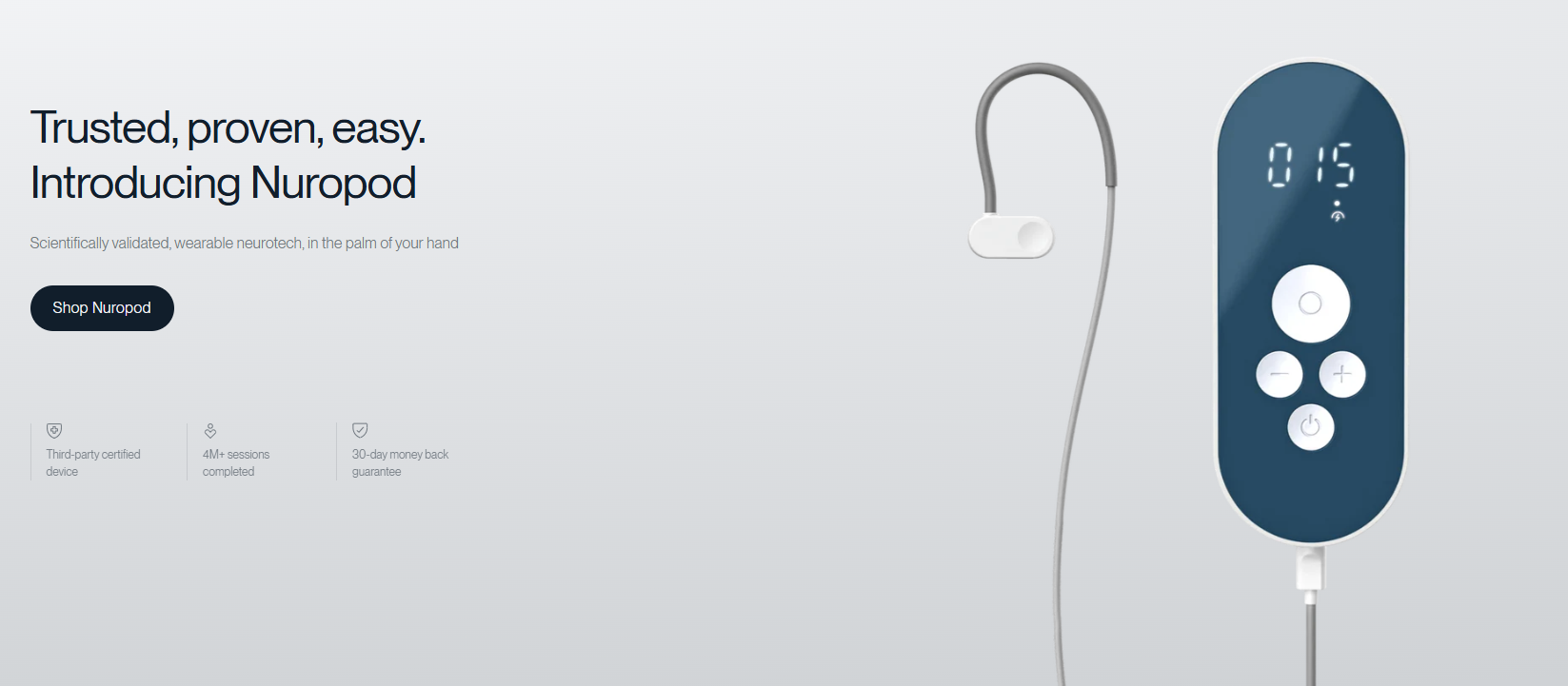
One example in this category is the Nuropod device from Parasym. Nuropod is designed to support the nervous system through auricular vagal neuromodulation therapy (AVNT™), a type of wearable vagus nerve stimulation. It’s also an ear-based vagus nerve stimulation device placed at the tragus, which differentiates it from neck-based competitors. The tragus is a commonly used stimulation site, where auricular branches of the vagus nerve are located close to the skin surface.
What differentiates this approach is its precise targeted electrical stimulation that modulates vagus nerve activity in a controlled way, stimulating the intended nerve pathways without affecting others. This approach can help activate mechanisms responsible for essential involuntary functions like heart rate, digestion, and the stress response, supporting a shift toward recovery and overall physiological balance.
Pros: Parasym spent over a decade developing and improving its auricular vagus nerve stimulation technology before bringing it to market. The brand points to more than 50 completed clinical studies supporting its approach to vagus nerve stimulation.
VNS devices can help support nervous system regulation, make it easier for the body to shift out of stress mode, and promote relaxation and recovery. That makes them a flexible option not just for athletes but for anyone looking to improve sleep quality, manage stress, and support overall nervous system health.
Cons: This category is emerging, and people are slowly adapting. These devices have not reached the mainstream category of smartwatches and recovery trackers. You need to use these devices consistently to see improvements.
Final Takeaway
The recovery wearable market is shifting its focus from observation to intervention. Devices like WHOOP and Oura Ring have helped athletes and biohackers better understand their bodies, with these tools making HRV a reliable and accessible sign of performance ability.
However, there’s a catch: devices like these just inform you of your HRV; they don’t do the deeper work of supporting it.
Meanwhile, the upcoming category of recovery wearables looks promising. Vagus nerve stimulation devices are based on a very simple principle: supporting HRV should be the main goal rather than just tracking it accurately.
For those who are interested in longevity, performance, and getting tangible results from their everyday habits, the shift really matters. The shift from just knowing to training your system to better regulate recovery.
So, what is the best recovery wearable for HRV? It depends entirely on what you want. If you are on the lookout for accurate data, there are plenty of options available. However, if your goal is to see consistent, reliable, on-demand progress, then it might be time to shift your focus towards devices that go beyond tracking and actually actively support your physiology.