


- How To Improve HRV Naturally - May 19, 2026
- Best Recovery Wearable For HRV - May 4, 2026
As someone with a background in human physiology research, I am always interested in making lifestyle changes to improve my overall well-being. When I began experiencing sleep issues and a lack of focus, I wanted to better understand the role of heart rate variability (HRV) and how I could improve my HRV.
HRV is one of the most useful yet misunderstood signals that our body produces. HRV is the small change in time between each heartbeat, not to be confused with heart rate, which is the number of heartbeats per minute. In our fast-paced world, anxiety, stress, depression, and related issues have become increasingly common, and HRV can be an indicator of imbalances, helping us understand how our body is coping beneath the surface.
While I was researching HRV, I discovered that it is influenced by the constant communication between our body and brain. Our autonomic nervous system manages how we handle our stress (“fight or flight”) and how we recover (“rest and digest”). If our system is responsive and flexible, HRV tends to be higher. However, a higher HRV does not always indicate optimal health; it can also signal underlying medical conditions.
Let’s explore some of the science-backed methods to improve HRV naturally, focusing on the key drivers that have the greatest impact.
At a Glance

- HRV typically shows how well you switch between stress and recovery. Higher, well-regulated HRV generally means better resilience and recovery.
- Deep, consistent sleep supports nervous system balance and improves HRV. Poor or irregular sleep can lower HRV and increase stress on the body.
- Slow, controlled breathing (around 4.5–7 breaths per minute) can quickly boost HRV by activating the parasympathetic system and calming your body.
- Short, controlled cold exposure (like brief cold showers) trains your body to recover more efficiently, improving HRV over time.
- Regulating the nervous system can help your body shift into a recovery state and support long-term improvements in HRV. Vagus nerve stimulation can help balance your nervous system, alongside other lifestyle habits. Devices like Nuropod use gentle, non-invasive currents to support HRV.
- Small, repeatable habits across sleep, breathing, and recovery can drive lasting improvements in HRV.
Factors Influencing HRV
Sleep

Sleep has an immediate and consistent effect on our nervous system. A night’s sleep consists of different stages: non-REM (deep sleep) and REM (active and unstable sleep), and HRV is closely related to these sleep stages. Non-REM sleep is the restorative state of our bodies, during which heart rate slows, blood pressure drops, and HRV rises. On the other hand, during REM sleep cycles, stress-related activity occurs, leading to wide fluctuations in HRV.
This balance between non-REM and REM is disrupted when our sleep quality is affected. Disturbed sleep, night awakenings, or short sleep duration can increase the overall stress on our systems. This can lead to lower HRV, a higher heart rate, and poor recovery the following day. Chronic sleep problems can also cause persistent autonomic imbalance and increased risk of heart disease.
Both sleep timing and sleep duration are equally important. Our nervous system and heart rate follow a circadian rhythm (a biological clock), and irregular sleep schedules can disrupt it.
Tips:
- Follow a consistent sleep schedule: going to bed and waking up at the same time.
- Have a fixed unwinding routine: dimming the lights, minimizing screen time, and calming activities like reading or stretching.
- Reduce major sleep disruptors: reduce caffeine and alcohol intake, avoid heavy meals, and eat dinner two to three hours before sleep.
- Adjusting the sleep environment: keeping the bedroom cool, dark, and quiet and minimizing noise and light.
Note: Those who are tracking HRV with a wearable device should focus on trends rather than a single reading. Persistent low HRV and poor sleep may indicate poor recovery. Getting the right sleep can often improve your HRV.
Breathing

If sleep can consistently impact your HRV, breathing is the fastest way to influence it on demand. Breathing is one of the few physiological processes that we can knowingly control and is directly connected to our nervous system.
Every time we inhale, our heart rate increases, and it decreases when we exhale in a respiratory cycle (respiratory sinus arrhythmia, or RSA). This sends signals to our autonomic nervous system. The sympathetic (fight-or-flight) response is activated by faster, shallower breathing, while the parasympathetic (rest-and-digest) response is activated by controlled breathing.
Breathing at a slower rate (this can vary among individuals) maximizes your RSA and is called resonance breathing. If you can train in resonance breathing, you can improve your vagal tone and HRV. It can even lower your stress levels and blood pressure and improve your mood.
Recent studies have also supported that if you practice resonance breathing consistently for even a few minutes every day, it can positively impact HRV by increasing parasympathetic and decreasing sympathetic activity. This leads to improved cognitive performance and reduced risk of cardiovascular disease.
Tips:
- Breathe slowly to synchronize your heart rate, blood pressure, and breathing rhythms, and, most importantly, to increase HRV.
- Exhale longer to stimulate the vagus nerve and shift your body into a parasympathetic state.
- Breathe through your nose to naturally slow the airflow and improve oxygen exchange. This helps you stay within the optimal HRV breathing range.
- Do not force resonance breathing; it should be smooth and effortless for maximum benefits.
- Practice your breathing consistently (not just when you’re stressed) to see major improvements in HRV.
- Use resonance breathing strategically to get more benefits: before sleep (for overnight recovery), in stressful situations (to regulate your response), and after exercise (to speed up recovery).
Cold Exposure
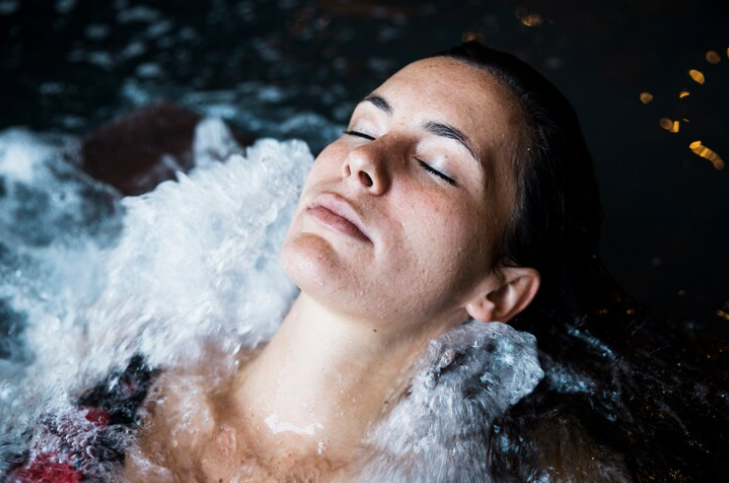
Ice baths and plunges in cold water have gained popularity recently, but the real value lies not in extremes but in how exposure to cold trains your nervous system to affect HRV.
Cold exposure is a brief, controlled exposure that triggers positive adaptation. When you step into cold water or take a cold shower, your body responds instantly with a sharp increase in the fight-or-flight response. Also, your heart rate increases, and the noradrenaline stress hormone is released.
Immediately after the initial response, your body restores balance, activates the parasympathetic system, increases your vagal tone, and promotes recovery. Research confirms that repeated cold exposure can increase indicators of parasympathetic activity, such as HRV, making the system more flexible and resilient.
Gradually, this improves your body’s ability to transition between stress and recovery states, thereby increasing HRV.
Tips:
- Take regular showers with cold water for 30-60 seconds, increasing the time gradually as you adapt (aim for three to five sessions per week).
- Avoid overdoing the cold exposure, as it can cause stress and reduce HRV.
- Be careful about the timing; cold exposure close to bedtime can interfere with your sleep.
Note: The aim is not to tolerate as much cold as possible; it should be used as a controlled stimulus that can train your body to recover efficiently.
Nervous System Regulation
While all the factors above indirectly affect your nervous system, there are other ways to support it more directly and improve HRV. A regulated nervous system can more easily shift your body out of “fight or flight” mode into “rest and repair,” which is precisely what higher HRV reflects.
It’s possible to regulate your nervous system by activating the parasympathetic nervous system, which calms and restores you. The main instrument of the parasympathetic system is the vagus nerve, a long nerve that runs all the way from your brain through the entire body. The vagus nerve acts like your body’s brake pedal, and when it is engaged, your heart rate slows and HRV increases. Stimulating your vagus nerve can positively impact your HRV and overall well-being. Research also suggests that vagus nerve stimulation is a promising tool for increasing HRV and improving autonomic regulation.Vagus nerve stimulation (VNS) can also help restore balance between your stress and recovery and improve your HRV.
Apart from vagus nerve stimulation, breathwork, meditation, and yoga can also regulate the nervous system and improve HRV.
What Can We Do to Improve HRV?
Although there isn’t a one-size-fits-all solution for improving HRV, there are certainly some tools we can use and changes we can implement in our daily lives to support our overall well-being.
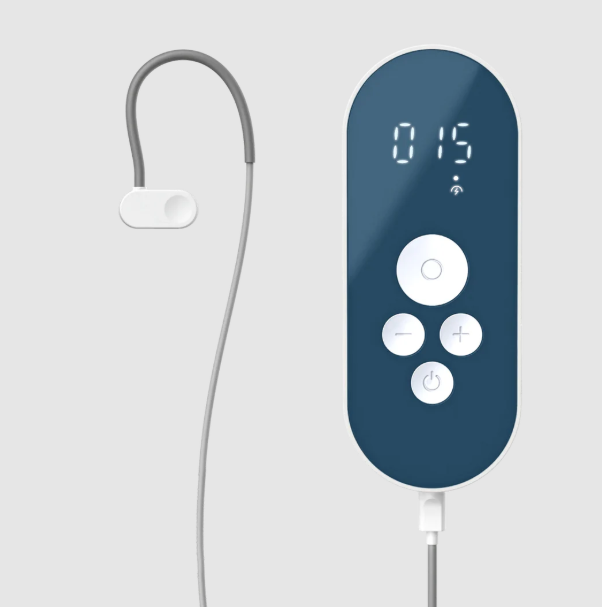
Vagus nerve stimulation devices can serve as useful tools for long-term use. They are associated with improved HRV and health outcomes. Noninvasive devices, such as Nuropod (from Parasym), use targeted, gentle electrical stimulation of the vagus nerve to support your nervous system regulation and shift your body toward a more balanced and calmer state. Other alternative devices are Pulsetto, gammaCore, and Truvaga, and they stimulate the vagus nerve in different ways.
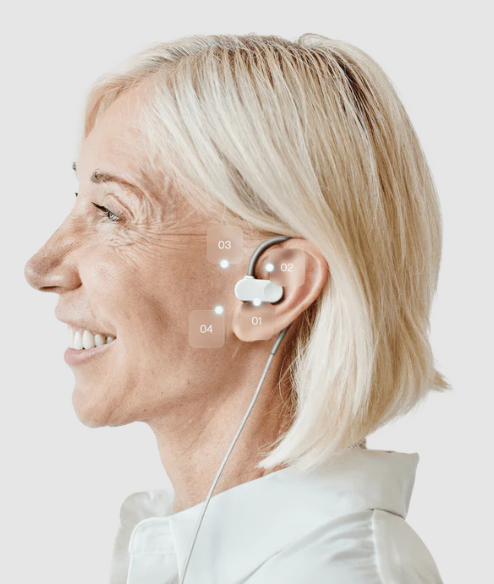
Nuropod uses its patented auricular vagal neuromodulation therapy (AVNT™) by placing the device at the tragus (the small bump in front of your ear canal) and making it convenient for regular use. The vagus nerve is closest to the skin surface at the ear, making the tragus the most direct stimulation point for improving your HRV and overall well-being. From the tragus, the device delivers small, targeted electrical impulses to the brain via the vagus nerve.
For long-term regulation and resilience, yoga, meditation, breathwork, and cold exposure can be good options for improving your HRV. These are low-risk, accessible activities that can help build sustainable habits. Methods like these work best when done consistently, in turn helping your nervous system gradually become more balanced and adaptable. However, they can take time and may not always provide immediate or noticeable results, especially for those suffering from diagnosed conditions or during periods of high stress.
If you’re looking for more targeted and on-demand support, devices that stimulate the vagus nerve directly, like Nuropod, are useful. Nuropod is designed to support your overall nervous system health and can help quickly shift your body out of stress mode, promoting relaxation and recovery. More hands-on approaches are especially helpful during acute stress or burnout or when natural methods alone aren’t enough. Emerging evidence also suggests benefits in conditions like POTS, IBS, endometriosis, and long COVID when used alongside medical care.
Still, more targeted approaches to HRV improvement may require regular use and come at a cost. Consulting your healthcare provider is always advisable when you’re unsure or suffer from any diagnosed conditions.
Final Thoughts
Improving HRV naturally is not about chasing perfect numbers but about building a system strong enough to switch from stress to recovery mode faster and more efficiently. Tracking your HRV over time to identify trends rather than stressing over daily fluctuations can give you a clearer picture of how well your body responds to new habits and interventions.
If you’re wondering whether you should stick to natural lifestyle changes or opt for targeted devices, a combination of both can be the most effective approach. Natural practices build a strong baseline over time, while devices can enhance and accelerate results or provide support when needed. With small, consistent lifestyle changes and support from targeted devices, you can improve your HRV over time.
Remember to always make a decision based on your specific needs, research the options available, and choose what best supports your physical and mental well-being. Most importantly, be consistent to see long-term effects on your overall health.